The Rush of a Rising Winter River
We at Catch The Fever have seen plenty of crazy fishing trips, but there’s something undeniably exciting about a fast-rising, mud-churned river in the dead of winter—especially when you’re going after catfish. If you’ve ever wondered whether it’s worth braving the cold for the chance of landing a trophy cat, you’ll find your answer by watching Spencer Bauer of River Certified take on just such a challenge.
The video above showcases the kind of boundless enthusiasm Spencer brings to any body of water, but this time he’s armed with a kayak, a stubborn current, and the belief that at least one big cat is lying in wait. From the get-go, he’s paddling upstream in conditions that would make most of us think twice. The reward, he hopes, is a beefy blue or flathead catfish with an appetite for fresh bait.
As an organization that shares his passion for chasing fish in challenging environments, we can’t help but root for him at every snag (and there are plenty) and every near-miss. Catfishing in winter can feel downright impossible some days, but when the river starts rising and the temperature dips, those moments of electrifying rod-bending action make it all worthwhile.
Why Winter Catfishing Has Its Own Personality
In the warmer months, catfish spread out, and you might think they’re easy to find with typical baits and presentations. Come winter, though, everything changes. Even Spencer, known for his relentless pursuit of fish in any conditions, acknowledges that this cold-water scenario can test the patience of the most seasoned angler. The fish move differently, hold tighter to structure, and often feed in short bursts.
What caught our attention in Spencer’s latest trek is how the river’s surge—several feet in a short span—creates a whole new playground. Rising water carries debris and stirs up the bottom, effectively ringing the dinner bell for catfish. But it also means the catfish might reposition faster than you can say “snag.” Instead of drifting along in search of a meal, they may hunker in specific current seams where they can grab unsuspecting baitfish. Combine that with a cold front, and you have the makings of a high-risk, high-reward catfishing adventure that only the bravest (or most enthusiastic) anglers attempt.
Yet, there’s a certain peace to it, too. You don’t see crowds out here at this time of year. It’s just you, the swirling current, and the occasional goose honking overhead. Sure, the sun may set way too early, but you’d be surprised how much you can learn about a river—and yourself—when the usual distractions are gone. There’s also something about hooking into a catfish on a biting-cold day that amplifies the thrill. That single tug on the line can warm your heart enough to make you forget you can’t feel your toes.
Gearing Up for Tough Conditions
From our perspective, it’s easy to see why Spencer trusts gear designed for a real battle. Winter catfishing on a rising river is no place for flimsy rods or line that’s prone to break off. You need the kind of setup that not only muscles a hefty fish out of a submerged log but also holds up to constant abrasion from debris-laden water.
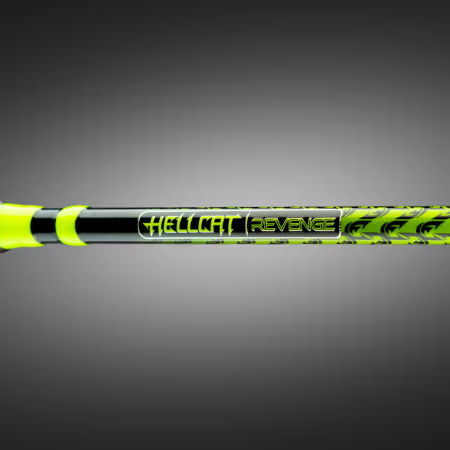
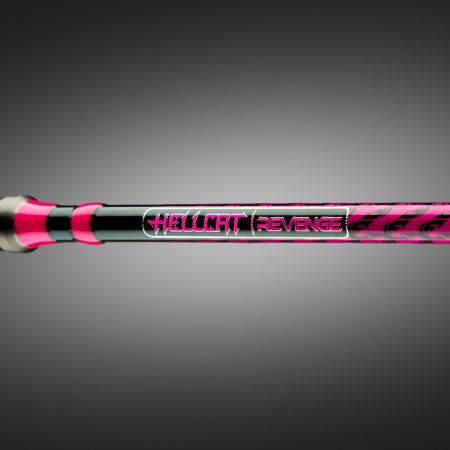
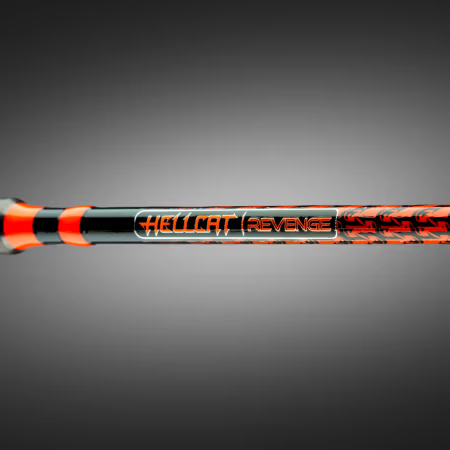
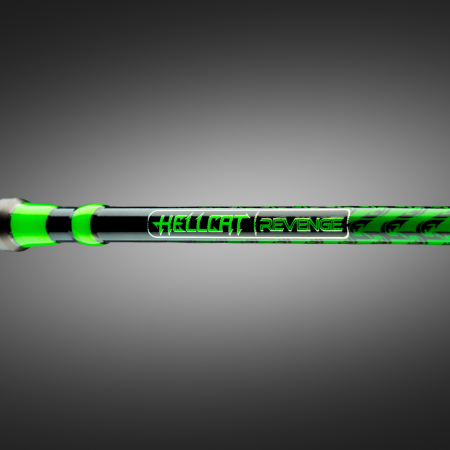
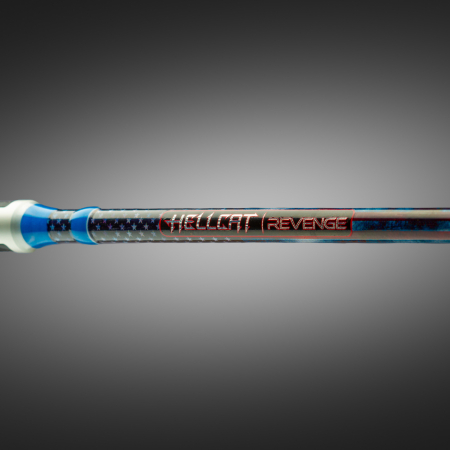
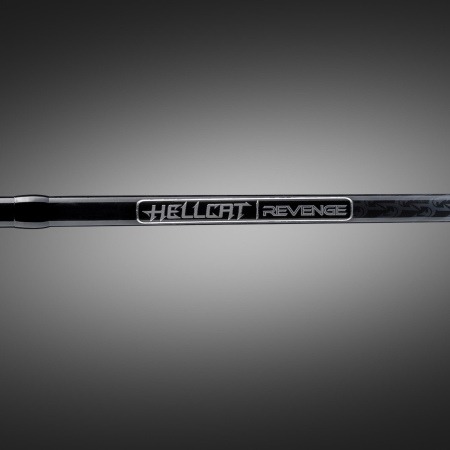
- Heavy-Duty Rods: Spencer’s partial to the Hellcat rod from Catch The Fever. It’s built for big fish, with the backbone to yank a stubborn cat out of the timber.
- High-Powered Reels & Braid: Pair that rod with a good catfish reel spooled with some Slimeline, and you’ll have the confidence to tackle strong currents and sudden surges. As you’ll see in the video, one good takedown in a swift river can test all your rigging and your nerve.
- Hooks for the Fish’s Mood: Circle hooks are Spencer’s usual choice, especially for blue cats that like to hit bait hard. But if winter flatheads are pecking and won’t fully commit, he might experiment with J-hooks so he can time the hookset himself.
This kind of setup does more than just catch fish; it saves you from constantly re-rigging after every snag. And let’s be honest: snags are part of the territory when timber and debris abound. We appreciate how Spencer remains unflustered by each break-off; it’s all part of the plan when hunting trophy cats in conditions that aren’t for the faint of heart.
Going the Extra Mile (or Two) Upriver
One of the most eye-opening parts of Spencer’s adventure is how far he’ll paddle upstream to reach what he hopes are unpressured spots. It’s clear he’s chasing the bigger payoff in a location that might be overlooked by more casual anglers. We’ve all wrestled with that mental debate: “Is it worth the extra effort?” If you’re someone who’d rather not break a sweat (especially in frigid weather), it’s easy to say no. But if you share Spencer’s drive, you’ll relate to the logic—sometimes, the best fish are found where others won’t (or can’t) venture.
In the video, the wind and current make it look downright brutal, but the moment he drops anchor and sees a promising stretch of timber, there’s real excitement in his voice. You can’t help but think, “Alright, maybe I should try that next time.” And honestly, even though we’re a company that loves seeing anglers succeed, we’ve got to admire the determination it takes to motor upstream under those conditions. If you’re bold enough to test yourself, you might just find a logjam holding a catfish that’s never seen a hook in its life.
Submerged Timber: The Siren’s Call for Catfish (and Snags)
We can confirm, based on countless conversations with anglers, that catfish love structure, particularly in colder months. So it’s no surprise Spencer zeroes in on half-sunken logs and branches. The payoff can be huge, but so can the frustration when you snag in the thick of it. If you watch closely, you’ll see him tie up near a wobbly branch and drop a bait right into the underwater maze.
A key tactic he mentions is using a sinker dropper—a lighter piece of line connecting the sinker—so that if you snag, there’s a decent chance you’ll lose only the weight and keep your hook. This might sound like a small detail, but it saves both time and money over the course of a day. It also keeps morale up. If you’ve ever spent a winter afternoon rigging and re-rigging, you know how quickly you can convince yourself to call it quits. By minimizing the damage a snag can do, you’re free to keep the lines in the water longer.
We also appreciate Spencer’s mention of adjusting your drag and angle to yank a hooked fish away from the structure quickly. Let’s face it: once a cat wraps you around a log, your odds of landing it plummet. Being proactive—tightening that drag, keeping pressure on, and steering the fish out—makes all the difference. It’s a calculated gamble: tighten too much, and you risk a break-off; give too much slack, and the fish is gone. Balancing those elements is part of the fun, and part of the frustration, but it’s why we love the chase.
Circle Hooks vs. Shy Flatheads: The Winter Dilemma
If you’ve tuned in to Spencer’s River Certified channel before, you know he’s a big advocate of circle hooks. They’re a godsend for catfish that hit hard and run. But in winter, especially with lethargic or shy flatheads, circle hooks can leave you watching a series of half-bites. The rod tip bobs, but never loads, because the fish doesn’t commit.
From our vantage point, it’s fascinating to see how a seasoned angler like Spencer still grapples with the question: “Should I reel down early, or wait for the fish to bury the rod?” And if the fish never buries the rod, you’re left reeling up an empty hook. That’s when a well-timed manual hookset using a J-hook or Kahle might score where the circle hook couldn’t.
Of course, there’s no one-size-fits-all answer. Some days, a sluggish winter cat will still hammer your bait, and a circle hook is perfect. Other days, they’ll toy with your presentation like they’re window-shopping. The key is recognizing those subtle bites and adapting on the fly, something Spencer demonstrates repeatedly in the video. It’s an art form any winter catfish enthusiast can appreciate.
Shifting Spots: The Power of Quick Decisions
One aspect of Spencer’s approach that resonates with us is his willingness to move on if a spot doesn’t produce within 15 or 20 minutes. Winter days are short, and that window of opportunity can vanish fast if you sit around waiting for fish that might not be there. Sure, if you see a nibble, you might hang out a little longer, but it’s a balancing act between patience and efficiency.
He’s quick to note that the same rising current causing debris to float by can also shift fish from one snag to another. By covering more ground—well, more water—he improves his odds of stumbling upon a group of actively feeding cats. We’ve all had that experience where the first five spots flop, but the sixth location delivers a day-making fish. It’s a numbers game, especially in cold, unpredictable conditions.
Keeping fresh bait also matters. If you’re not getting bites, don’t be afraid to swap out that older chunk of shad for a fresher piece. Even in winter, when fish metabolisms slow, a new scent can trigger a reaction bite. Spencer’s video offers several instances where he repositions or changes baits with the hope of tempting a wary cat—advice anyone can benefit from when the weather (and the fish) refuse to cooperate.
"When I say rising water, there’s like a seven-foot rise moving through right now, so a lot of the stuff I’m fishing… it’s probably going to shift as the water comes up.”
Spencer Bauer | River Certified
The Jolt of a Winter Takedown
No matter how many times we see it, the moment a rod doubles over in swift current never gets old. It’s especially intense when you’re in a small kayak, and your entire vessel shifts under the force of a hooked fish. Spencer captures that feeling perfectly in the video—one minute, he’s scratching his head about the high-pressure system, and the next minute, a catfish rips drag like it doesn’t care about anybody’s best-laid plans.
That sudden rush is why so many of us endure subzero wind chills, early sunsets, and the occasional comedic mishap. Yes, winter catfishing can be slow, and yes, you might spend half the day wrestling logs instead of fish. But the payoff? A catfish that feels like a bulldozer on your line. And as Spencer says in his own words, you only need one such fish to forget every numb finger and lost rig from earlier in the day.
Product Mentions We Can’t Ignore
Watching Spencer’s video, you’ll see gear that’s battle-tested:
- Hellcat Rod from Catch The Fever: Built to handle huge cats in unruly current.
- Slimeline: the ultra-high visibility fishing line for the toughest fights.
We admire how he meshes these tools with a can-do attitude, even when everything seems stacked against him. If you’re planning a winter catfishing trip, having the right setup is crucial. You might be able to get by with less in warmer conditions, but in a cold, rapidly rising river, top-notch gear is a real confidence booster.
The Real Payoff: Adventures Worth Sharing
As an observer, what we love about Spencer’s winter mission is how he blends sheer determination with a willingness to laugh at himself when things go sideways. It’s a lesson for all of us: winter catfishing can be humbling, but it’s also a chance to discover hidden gems—those out-of-the-way spots where a genuine river monster might be lurking.
By the time you reach the end of the video, you’ll have seen a mix of successes and near-misses. More important, though, you’ll have a blueprint for tackling your own winter catfishing journey. Gear up with quality rods and reels, decide how you’ll handle those cautious flatheads, and be ready to move quickly when the bite is slow. Most of all, remember that every cold day on the water has the potential to become a story you’ll be telling for years.
If you’d like a front-row seat to all the snag-filled, mud-splattered action, be sure to watch Spencer’s video above. You’ll see why we at Catch The Fever respect his grit and why we encourage you to try something new this winter—even if it means shivering a bit before that rod dips.
Disclaimer: This article is inspired by the “Fishing A RAPIDLY RISING RIVER!! (Kayak Fishing)” video by Spencer Bauer on the River Certified channel. Outcomes may vary depending on your local conditions, your gear, and your tolerance for winter’s less-than-comfortable temperament. For more adventures, tips, and next-level catfish gear, don’t hesitate to visit us at CatchTheFever.com or check out Spencer’s content at RiverCertified.com.
Where The Magic Happens – Let’s talk about the location
Although Spencer doesn’t mention an exact location by name, the hints about alligators and rapidly rising water suggest he’s fishing in the southeastern United States, where multiple big-river systems provide the perfect habitat for trophy catfish. These southern rivers can be teeming with blue cats, flatheads, and even the occasional alligator gar, especially when water temperatures drop and rising currents shuffle baitfish around. Some of these waters rank among the best catfishing destinations in the country, thanks to the abundance of structure, deep holes, and moderate winter climates that still allow determined anglers to launch a kayak even in January. Throw in the chance to spot local wildlife—from alligators sunning themselves to water birds patrolling the banks—and you’ve got a scenic, adrenaline-pumping backdrop for any winter fishing adventure.
Technical Key Takeaways – What You Should Learn (And Remember) From This Article
- Rising River Strategy: Rapid water level changes can concentrate catfish in seams and structure. Keep moving if they don’t bite quickly.
- Gear Loadout: Use heavy-duty rods (like the Hellcat), high-capacity reels, and some good line. This combo handles debris-laden currents and powerful takedowns.
- Hook Choices: Circle hooks are great for aggressive blues, but shy winter flatheads may need a J-hook or Kahle for a timely hookset.
- Timber Tactics: Employ a sinker dropper setup to reduce snag losses, and tighten drag to steer fish away from logs.
- Adapting On the Fly: Pay attention to subtle bites, change bait often, and shift spots if you’re not getting action. In cold water, small adjustments often pay off big.
FAQ – The Questions Related To This Video and Article
Is winter catfishing really worth the effort?
Absolutely. While the bite can be tougher, rising water levels and less angling pressure often lead to hooking trophy-sized catfish when you least expect it.
Which rod and reel setup is best for fast currents?
Look for a rod with a strong backbone (like the Hellcat rod) paired with a high-capacity reel spooled with some great fishing line —like our Slimeline —to handle debris and sudden surges.
Should I stay in one spot for a long time or keep moving?
It’s best to give each spot 15–20 minutes. If you don’t see action, move on. Winter days are short, and covering more territory increases your chances of finding actively feeding fish.
Why use a sinker dropper setup?
A lighter sinker dropper can snap off in a snag without losing your entire rig. This saves both time and money, which is crucial in snag-prone winter conditions.
Are circle hooks always recommended?
Circle hooks are great for aggressive blues, but if flatheads are shy, you might switch to a J-hook or Kahle hook so you can set it manually at the first sign of a bite.
What kind of water conditions are ideal for winter catfishing?
Rising or moving water stirs up baitfish and debris, making catfish more active. Look for current seams, log jams, and deeper holes where cats congregate to feed.


Add comment