

Shark Fishing Rods: Features and Benefits Explained
Introduction to Shark Fishing Rods
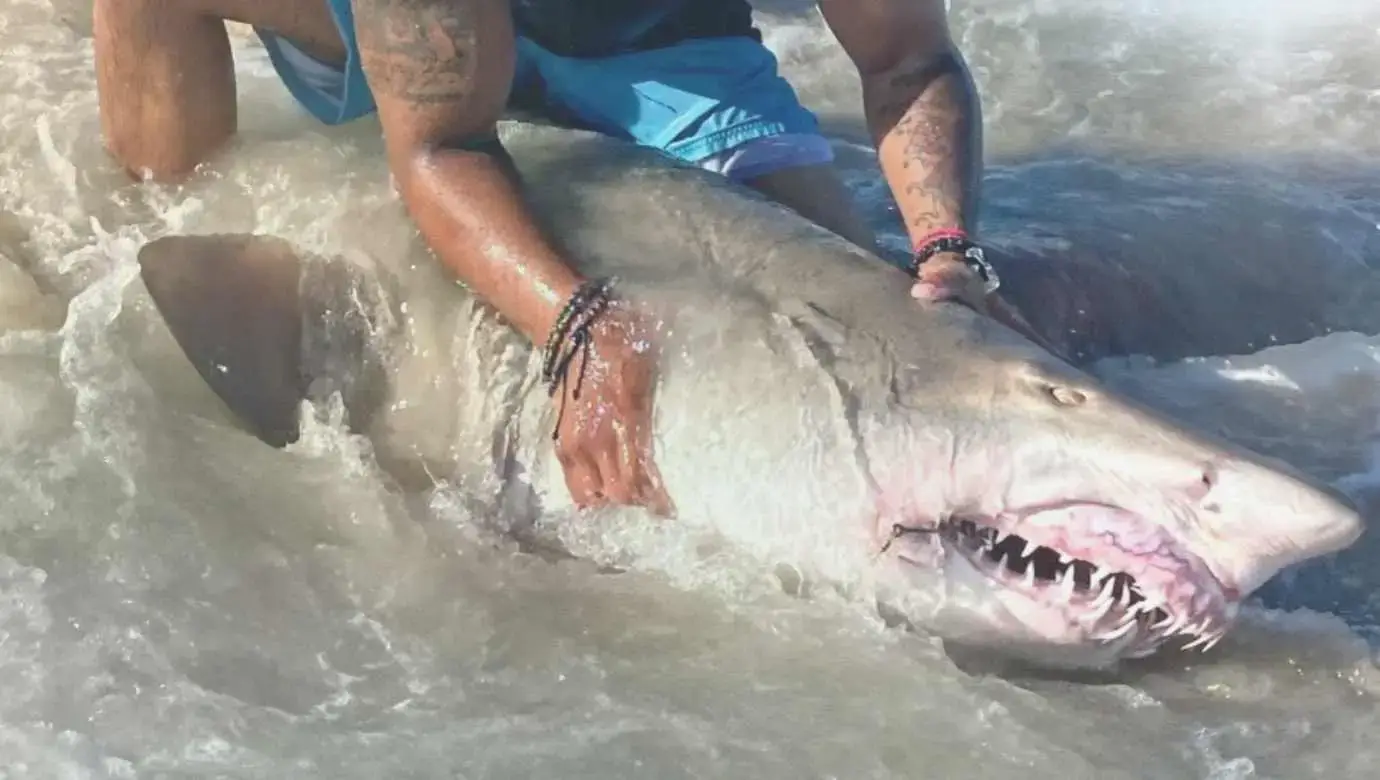
Shark fishing rods are specifically designed to handle the unique challenges of targeting one of the ocean’s most formidable predators: sharks. These rods are built to endure the immense power and aggressive behavior of various shark species, which can range from smaller coastal sharks to massive pelagic species like the great white or hammerhead. Unlike standard fishing rods, which might be used for species like bass or crappie, shark fishing rods are engineered to withstand the harsh environments and brutal forces encountered in both inshore and offshore shark fishing. Locations like coastal shores, deep-sea waters, and piers all demand different types of rods tailored to the specific species and fishing conditions.
What Makes a Shark Fishing Rod Different?
Shark fishing rods are designed with features tailored to big game fishing, a category that includes other powerful species like catfish and alligators. These rods need to be longer, stronger, and more resilient than those used for smaller species. For instance, while catfish rods are built to handle large, bottom-dwelling fish in freshwater, shark fishing rods must withstand saltwater conditions, corrosive environments, and the sheer strength of a fighting shark.
The length of shark fishing rods, which typically ranges from 6 to 12 feet, plays a crucial role depending on the fishing environment. A 6- to 7-foot rod is generally preferred when fishing from a boat, providing better control and maneuverability in close quarters. In contrast, a 10- to 12-foot rod is ideal for shore fishing, where the extra length helps cast bait further out to where sharks are likely to be swimming. The selection of rod length also depends on the species being targeted; for example, shorter rods might be sufficient for smaller coastal sharks, while longer rods are better suited for large pelagic sharks found in deeper waters.
Heavy-Duty Construction
When we talk about heavy-duty construction in shark fishing rods, we’re referring to materials and build techniques designed to endure the tremendous forces exerted by large sharks. These rods are typically constructed from fiberglass, graphite, or a composite of both. Fiberglass offers superior toughness and flexibility, making it ideal for absorbing the shock of a fighting shark. However, fiberglass rods are heavier and less sensitive than graphite rods, which provide better sensitivity and a lighter weight but are more prone to breaking under extreme stress. Composite rods combine the best of both worlds, offering a balance between strength and sensitivity.
To give you an idea of the forces at play, consider that a large shark can exert a pulling force of several hundred pounds, which is far beyond what standard fishing rods are designed to handle. When choosing a rod, it’s essential to understand these forces and select a construction that can withstand them. Ask for rods with reinforced guides, strong reel seats, and a solid backbone that can handle the pressure of a prolonged battle with a shark.
Rod Power
Rod power refers to the rod’s ability to withstand heavy loads, and in shark fishing, this is a critical factor. The power rating of a rod—typically classified as light, medium, heavy, or extra-heavy—indicates how much weight the rod can handle before it bends. For shark fishing, you’ll want a rod with a heavy or extra-heavy power rating to manage the enormous strain of a large shark on the line. This is a step up from rods used for species like bass or crappie, where a medium power rod might suffice. Understanding the rod power helps bridge the gap between different types of fishing, allowing anglers to select the right tool for the job. When targeting sharks, a heavy-duty rod with the appropriate power is non-negotiable.
Rod Action
Rod action, particularly fast action, is crucial when setting the hook in a shark’s tough, bony mouth. Fast action rods bend primarily at the tip, allowing for a quick, powerful hook set that’s necessary to penetrate the shark’s jaw. This is different from a slower action rod, which bends more along its length and might be used for species that require a gentler approach. In the context of shark fishing, fast action is key to ensuring the hook sets deeply, increasing the chances of landing the fish. When selecting a rod, understanding the difference between rod actions helps in choosing the right one for the specific conditions and species.
Spinning vs. Conventional Rods
When choosing between spinning and conventional rods for shark fishing, it’s essential to understand the differences in design, functionality, and application to ensure you select the right tool for the job.
Spinning Rods
Spinning rods are characterized by their simplicity and ease of use, making them popular among both beginner and experienced anglers. These rods are paired with spinning reels, which are mounted underneath the rod, allowing for an open-face design that makes casting straightforward. The line flows off the spool in large loops, which reduces friction and allows for longer casts. This feature is particularly beneficial when fishing from the shore, where you need to cast your bait far out to reach where sharks are swimming.
For example, if you’re fishing from a beach or pier and need to cast heavy bait into deeper waters, a spinning rod like the Penn Battle III Spinning Rod and Reel Combo is an excellent choice. These rods are typically longer, around 9 to 12 feet, providing the leverage and casting distance required for shore-based shark fishing. Spinning rods are also versatile, allowing you to target various species beyond sharks, such as large game fish like tarpon or even smaller species when using lighter tackle.
When to Use a Spinning Rod:
- Shore Fishing: Ideal for casting long distances from the beach or pier.
- Ease of Use: Great for beginners or when you need a versatile setup that can handle different types of fish.
- Heavy Bait: Effective when you need to cast heavy baits or lures far from the shore.
Keywords to Look For:
- „Best spinning rod for shark fishing“
- „Long-distance casting spinning rods“
- „Shore fishing spinning rod for sharks“
Conventional Rods
Conventional rods, often referred to as baitcasting rods, are designed for more heavy-duty fishing scenarios. These rods are typically paired with conventional reels, which are mounted on top of the rod. Unlike spinning reels, conventional reels have a more controlled line release, offering greater accuracy and power when casting or fighting a fish. This makes them particularly effective when fishing from a boat, where precision and control are crucial.
Conventional rods are shorter, usually between 6 to 7 feet, which provides the strength and leverage needed to control a large shark during a fight. The Shimano Terez Conventional Rod is a prime example, built for serious anglers targeting large sharks and other big game fish. These rods are constructed to handle high line capacity and heavy drag settings, which are essential for deep-sea fishing or when battling powerful sharks that can take long, forceful runs.
There are many variations of passages of Lorem Ipsum available, but the majority have suffered alteration in some form, by injected humour, or randomised words which don’t look even slightly believable. If you are going to use a passage of Lorem Ipsum, you need to be sure there isn’t anything embarrassing hidden the middle of text. All the Lorem Ipsum generators on the Internet tend to repeat predefined chunks as necessary, making this the first true generator on the Internet. It uses a dictionary of over 200 Latin words, combined with a handful of model sentence structures.
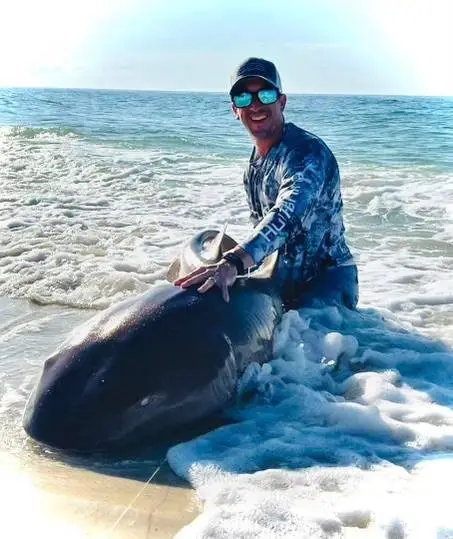
"Hellcat rods are a game changer for start fishing.”
Mr ABC is a popular figure on various social Media Channels. Known for Shark Fishing.
When to Use a Conventional Rod:
- Boat Fishing: Ideal for deep-sea fishing where precision, control, and high line capacity are necessary.
- Heavy-Duty Fishing: Best for targeting large sharks or other big game fish where maximum strength is required.
- Accuracy: Preferred when accurate bait placement or lure retrieval is critical.
Keywords to Look For:
- „Best conventional rod for shark fishing“
- „Heavy-duty baitcasting rod for sharks“
- „Boat fishing conventional rods“
Choosing Between Spinning and Conventional Rods
The decision between a spinning and a conventional rod comes down to your fishing environment and the specific requirements of your shark fishing adventure. If you’re fishing from the shore and need to make long casts with heavy bait, a spinning rod will serve you well. However, if you’re on a boat targeting large sharks in deep water, a conventional rod will provide the strength, control, and precision you need.
Commercially speaking, when searching for the right rod, consider the keywords mentioned above based on your specific needs. For spinning rods, focus on terms related to long-distance casting and shore fishing, whereas for conventional rods, look for keywords related to heavy-duty fishing and boat fishing. Understanding these distinctions will help you select the right rod and ensure a successful shark fishing experience.
Closing Thoughts
Choosing the right shark fishing rod is more than just picking a sturdy stick; it’s about understanding the specific needs of the environment, the species you’re targeting, and the type of fishing you plan to do. Whether you’re fishing from the shore, a pier, or a boat, selecting the right rod length, power, and action is crucial for a successful shark fishing experience. Remember, the right rod not only increases your chances of landing a shark but also enhances your overall fishing experience. For further guidance on selecting the best shark fishing gear, explore our other articles that dive deeper into the intricacies of this thrilling sport.


Add comment