A Muddy River Full of Surprises
If there’s one thing we’ve learned from watching Spencer Bauer—the mastermind behind the River Certified channel—it’s that a little bit of mud and cold weather won’t slow him down. When he says he’s found a creek “far enough south” that might still offer a solid winter bite, our curiosity is piqued. And if his kayak’s strapped to the truck, we know he’s onto something special.
The video above tells the tale: it’s a chilly day, the water’s about as clear as a cup of coffee, and yet Spencer is all smiles. We see him cutting through the current, rod at the ready. There’s a palpable sense of anticipation—like any minute, a bulky blue or cagey flathead might smash the bait. If you’re wondering why on earth anyone would choose a frigid, debris-littered river over a cozy living room, you’re about to find out.
Spencer’s approach is less about perfect conditions and more about seizing the day, or in this case, seizing the bend in the river that looks just murky enough to hold a catfish or two. Watch closely, and you’ll see him methodically break down each spot: a wobbly branch here, a submerged log there—clues to where the biggest cats like to hole up. That sense of adventure underpins every snippet of footage, reminding us that sometimes all you need is a kayak, good bait, and the will to paddle upstream in search of a fishing story worth telling.
Why Fish Don’t Care If It’s Cold
Before we even get to the gear or the technique, it’s worth noting that catfish, especially blues and flatheads, are unpredictable when temperatures drop. Sure, it’s winter, and yes, the water can be downright frigid, but as Spencer demonstrates, these fish still have to eat. Sometimes they just do it slower, and you need to adapt to their tempo. That’s a big part of the charm here: if you’re patient enough, or lucky enough, a catfish might slam your bait in conditions that seem anything but ideal.
In this video, Spencer makes a compelling case that scouting is half the battle—particularly in winter. He knows that a muddy river with a moderate current can pile baitfish into certain stretches, attracting catfish like magnets. So, he chooses each anchor point with care, often focusing on depth changes, submerged timber, or steep cutbanks. It’s not always about spotting fish on a sonar—sometimes it’s as simple as seeing a protruding branch and thinking, “There’s likely a whole tree down there.”
What fascinates us is how he balances that never-ending quest for a trophy flathead with the practical reality of hooking into blues. If you’ve watched enough of his content, you know he’s always got a soft spot for flatheads—yet every big, scrappy blue that tears off line is a welcome guest in his kayak. So even if winter catfish can be finicky, the payoff can be spectacular when you’re prepared and persistent.
Loading Up on the Right Gear
The Hellcat Rod Edge
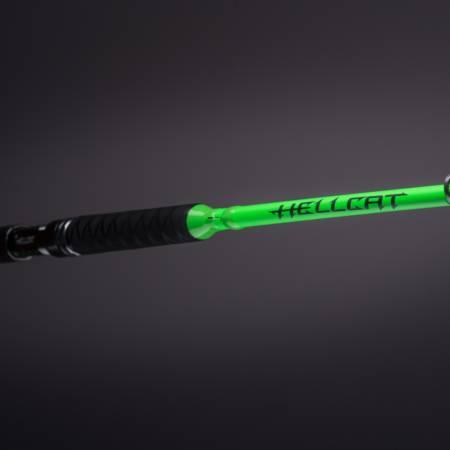
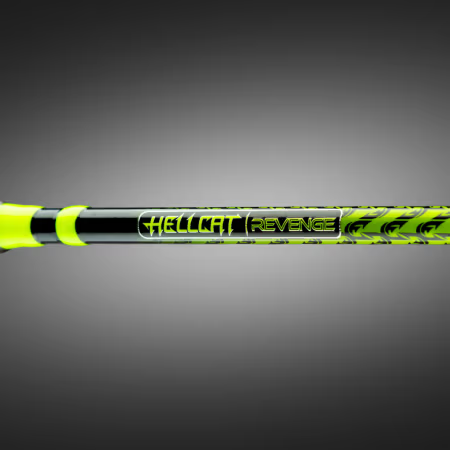
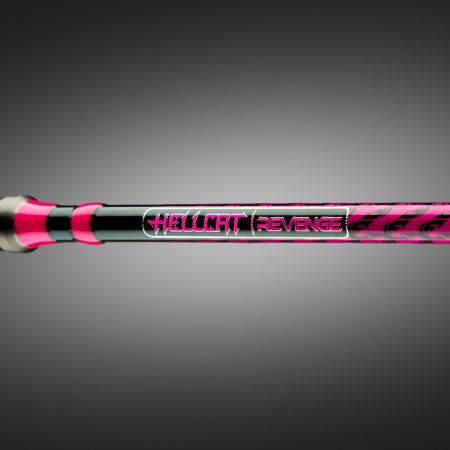
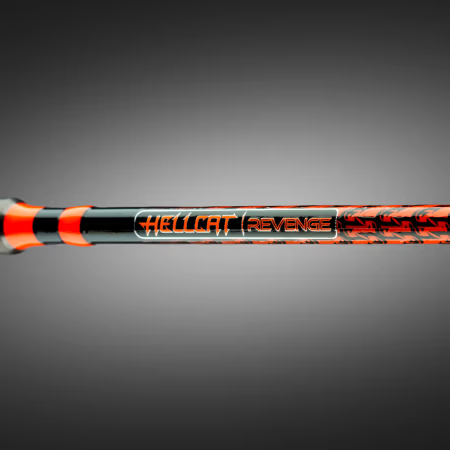
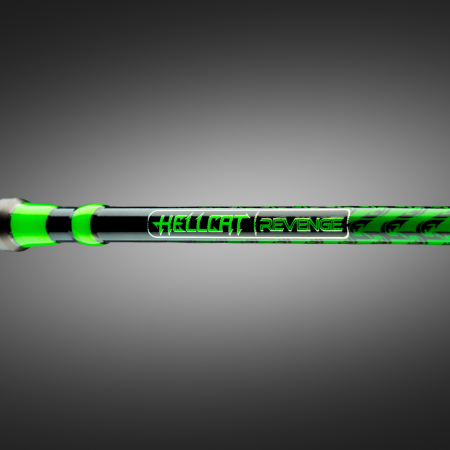
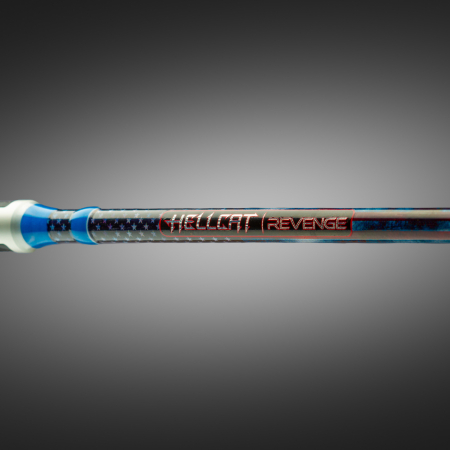
We’ve noticed Spencer leaning heavily on the Hellcat rod for these cold-water missions, and it’s no surprise why. Even in a downpour or sleet, that rod has the backbone to rip a catfish up and over sunken logs. Winter conditions pile on extra challenges—debris, fast water, and occasionally, less time to reel before a fish ducks behind a snag. A rod designed with power and sensitivity in mind can mean the difference between a triumphant net job and a heartbreaking break-off.
Braid & Leader Choices
It also helps to use sturdy, high-visibility line—Slimeline —and a strong leader material. You’ll see Spencer tying on hefty rigs to minimize the chance of losing fish to abrasion. When a catfish runs you around half-submerged timber, a lighter setup often can’t handle the friction. It’s a classic case of “better safe than sorry,” especially when you’ve paddled miles upstream in cold weather.
Balancing Hook Styles
Ever notice how some bites come fast and furious, while others are more like a cautious nibble? Spencer’s a pro at reading that difference. In the video, he frequently uses circle hooks for their auto-hooking advantage—perfect for a bold blue cat that slams the bait. But if a suspiciously gentle tug hints at a winter flathead, he might switch strategies (or at least consider a J-hook) to make sure he can set it the moment the fish decides to commit. Watching him figure out that puzzle in real time is a testament to the importance of flexible rigging.
"If you own a rain jacket and you don't go fishing in the rain, I feel like the rain jacket's a pretty poor investment”
Spencer Bauer | River Certified
Green Hellcat Fishing Rod – Heavy Braid Rod for Aussie Surf, Estuary & Offshore (Spinning & Baitcasting)
The Art of Going Upstream
A Workout on the Water
One detail you won’t miss is how much paddling Spencer does in this video. We see him powering upstream, mapping out the turns, and analyzing the banks. His on-the-fly commentary about where fish might be holding tells us he’s basically having a conversation with the river. Although it looks like tough work (and it is), that upstream trek offers a big reward: areas that other anglers might skip because they don’t want to put in the effort.
Prime Spots Often Hide
Now, you could question if all that paddling is really worth it, especially in the cold. But if you look at Spencer’s face when he reels in that first decent cat, you’ll see the answer is yes. Those deep holes and log-infested pockets can be prime winter catfish real estate—particularly if the fish haven’t been pressured by boat traffic or heavy competition. To us, that’s one of the main attractions of kayak fishing: stealth. You slip into spots that would otherwise go unnoticed or be too tight for a larger boat.
And if you’re wondering whether the workout is part of the thrill, you’re probably right. There’s something about battling the current by hand, then hooking a fish strong enough to spin your kayak, that makes for a next-level fishing adventure. Sure, your arms might burn, but that’s a small price to pay for the kind of excitement you can’t replicate sitting on a couch.
Reading Submerged Logs Like Clues
One recurring theme in the video is how often Spencer’s line brushes up against underwater limbs—sometimes it’s a minor snag, other times it’s a potential whopper of a fish using that cover. You’ll watch him discuss how to interpret the rod tip or the tension on the line, deciding whether he’s stuck on a log or wrestling a flathead that’s playing possum. That sense of uncertainty adds an element of detective work to winter catfishing.
He also shows that snagging doesn’t have to be a day-ruiner if you’re prepared. A good spool of leader line, a steady hand to tie up fresh rigs, and enough patience to keep from losing your cool can salvage any mishap. In fact, those snags can act like signposts: if there’s heavy structure, chances are catfish will be around. The key is striking a balance between placing your bait close enough to entice them without wrapping yourself in a nest of submerged branches.
We get a glimpse of that in the video’s funniest moments, like when he tangles with leftover fishing line from a previous angler. Frustrating? Sure. But it’s also part of the territory when you’re dropping baits into prime real estate. Spencer calmly strips out what he can and moves on—an example of how a little cleanup and courtesy can go a long way in preserving these spots.
The “Drumroll Please” Bites
Anyone who’s ever catfished in cold water knows that some days, the fish absolutely hammer the bait, while other days you might barely see a tap on the rod tip. In the video, we see a mixture of both. Some fish strike like they’re auditioning for a catfish highlight reel. Others nibble so gently you’d swear you had a turtle investigating the bait.
What stands out is how Spencer reacts: with a calm but excited focus. He’s quick to adjust his drag, mindful of how many logs might stand between him and the fish. If that doesn’t sum up winter catfishing, we’re not sure what does—rapid bursts of adrenaline punctuated by lots of waiting, watching, and fine-tuning your approach.
The Real Payoff: One Cast Away from a Whopper
By the end of this muddy-river journey, Spencer lands a mix of small and medium-sized blues, a pint-sized flathead, and leaves us guessing which log might hold the next giant. The moral of the story? You never really know what’s lurking in that murky water until you anchor up and drop a bait. Sometimes you’ll pull in a new personal best; other times, you’ll be happy just to land a feisty blue that fights harder than its size suggests. Either way, the thrill of possibility is what keeps winter anglers coming back, kayak loaded with gear and hope.
So if you’re tempted to skip the cold season, think again. Bundle up, keep a spool of strong leader handy, and chart a course for those overlooked corners of the river. And if you need extra inspiration, rewatch Spencer’s video—seeing that rod bend in the muddy current is enough to make any fisherman daydream about their next shot at a trophy cat.
Disclaimer: This article is inspired by the “This MUDDY River Was LOADED!! (Cold Weather Kayak Fishing)” video by Spencer Bauer on his River Certified channel. Your actual results can vary depending on weather, water conditions, and personal skill. Always practice safe boating and respect local regulations.


Where The Magic Happens – Heading South for Winter Fun
Spencer briefly mentions driving far enough south to find open-water action. While the exact location isn’t specified, many anglers know that once you dip below certain latitudes, winter conditions become more forgiving for kayak trips. Think mild daytime temps, fewer chances of hard ice, and an abundance of creeks feeding into larger rivers. These waterways can funnel baitfish toward deeper holes, luring catfish in. If you’re scouting southern states—possibly in the Southeast or lower Midwest—you’ll find plenty of rivers teeming with blue cats, flatheads, and channel cats that remain active year-round. Pair that with scenic backdrops and the occasional break from northern snow, and you’ve got a winter fishing hotspot that’s worth every mile on the highway.
Technical Key Takeaways – What You Should Learn (And Remember) From This Article
Heavy-Duty Setup
•A strong rod like the Hellcat combined with some strong high-vis line (like the Slimline) ensures you can muscle fish away from underwater tangles.
Adaptable Hooks: Circle hooks for aggressive bites, but consider a J-hook if you suspect timid flatheads testing the bait.
Submerged Cover: Winter cats often cling to logs and deep holes; don’t overlook less obvious structure.
Kayak Stealth: Paddling upstream is tough but opens up spots that rarely see a line. Stealth is a huge advantage when water is cold and fish are finicky.
Bait Selection: Fresh or well-preserved cut bait (shad, buffalo) is key. In cold water, scent dispersion can tip the scales in your favor.
FAQ – The Questions Related To This Video and Article
Do catfish really bite when the water is cold and muddy?
Yes. While they can be more lethargic, catfish still feed in cold conditions. Focus on deeper holes and submerged cover for best results.
What rod setup works best for winter kayak fishing?
A strong, reliable rod like the Hellcat, paired with with some Slimeline, helps yank catfish out of snags and maintain tension in fast current.
Is it safe to paddle upstream in cold weather?
Safety depends on your skill level, gear, and the river’s flow. Always wear a life jacket, plan your route, and keep an eye on changing conditions. Remember two things: 1. that you are human and not a hero, 2. water always wins. Safety is more so being practically wise.
How do I avoid constant snagging around timber?
Consider a sinker dropper or lighter leader line. This way, if you snag, you might lose only the weight and save the rest of your rig.
Which hook type is better—circle hooks or J-hooks?
Circle hooks are excellent for aggressive bites, but if flatheads are just nibbling, a J-hook can help you set at the exact moment they take the bait.


Add comment